What Counts as a Plumbing Emergency? Your 2026 Guide for Pukekohe Homeowners
A plumbing emergency is any situation where water, sewage, or gas poses an immediate risk to your home, your health, or your household's safety. Knowing how to recognise one can save Pukekohe homeowners thousands in damage and help you decide whether to call an emergency plumber right away or wait for regular business hours.
Pukekohe's housing stock spans early 1900s homes through to post-war properties and recent builds. Older homes in particular carry ageing pipework that is more prone to failure, making it worth understanding what genuinely qualifies as an emergency.
True Plumbing Emergencies: What Requires Immediate Attention
A true plumbing emergency cannot safely wait until morning or the next business day. The following situations almost always qualify.
Burst Pipes and Major Water Leaks
A burst pipe can release a significant volume of water in minutes, causing structural damage, ruined flooring, and serious mould risk. This is especially relevant in Pukekohe and the wider Franklin area, where many older homes have original pipework at or past the end of its serviceable life. If water is flowing uncontrolled and you cannot stop it at the toby (your mains shutoff valve near the property boundary), call an emergency plumber immediately.
Sewage or Wastewater Backing Up Into Your Home
Sewage backup is a health hazard, not just an inconvenience. When wastewater reverses into sinks, toilets, or floor drains, the contamination risk makes this urgent every time. Do not use any fixtures until the blockage is resolved.
Gas Leaks
A suspected gas leak is one of the most serious household emergencies possible. If you smell gas, leave the property immediately, do not operate any switches or appliances, and call 111 before contacting a plumber. In New Zealand, gasfitting work must be carried out by a PGDB-registered gasfitter. Only a licensed practitioner can legally make the repair once the scene is safe.
Complete Loss of Hot Water
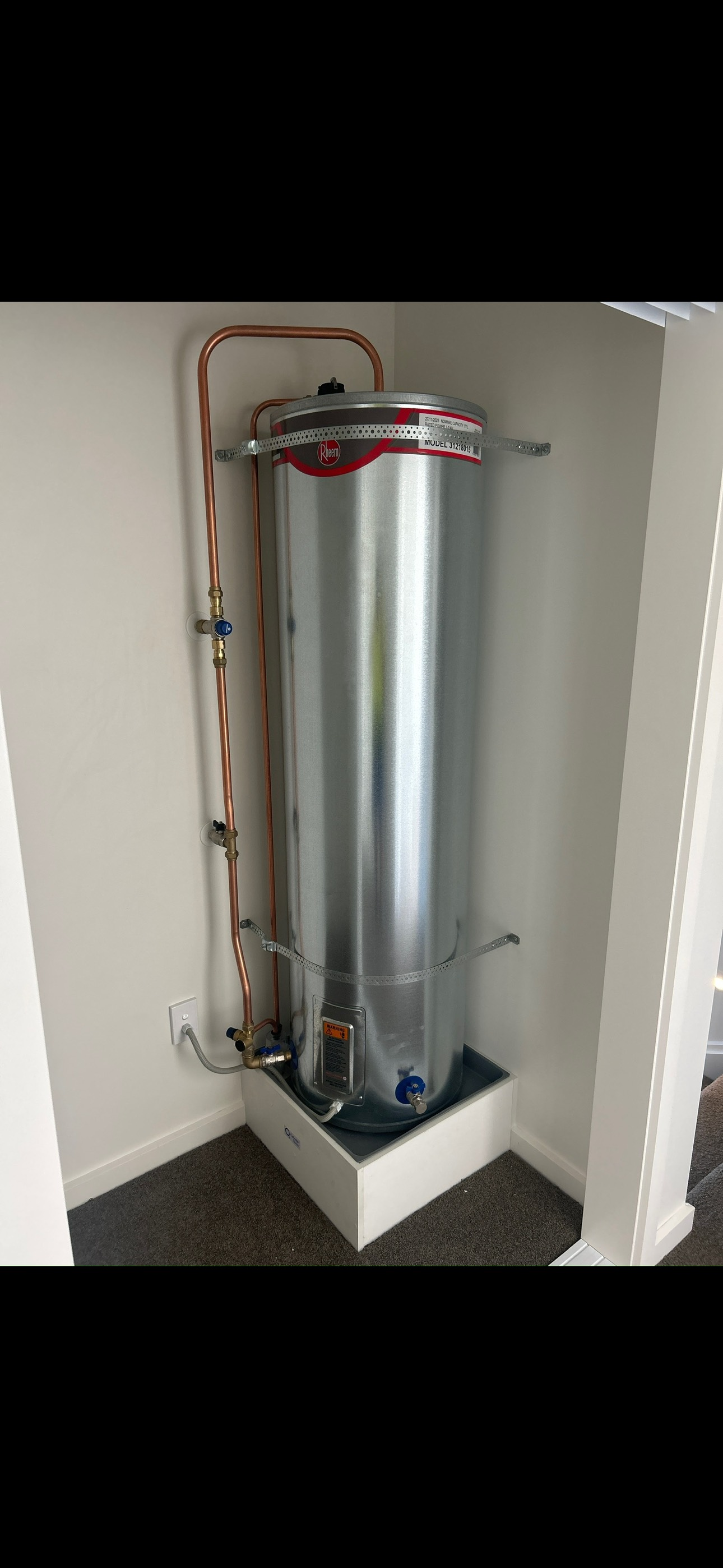
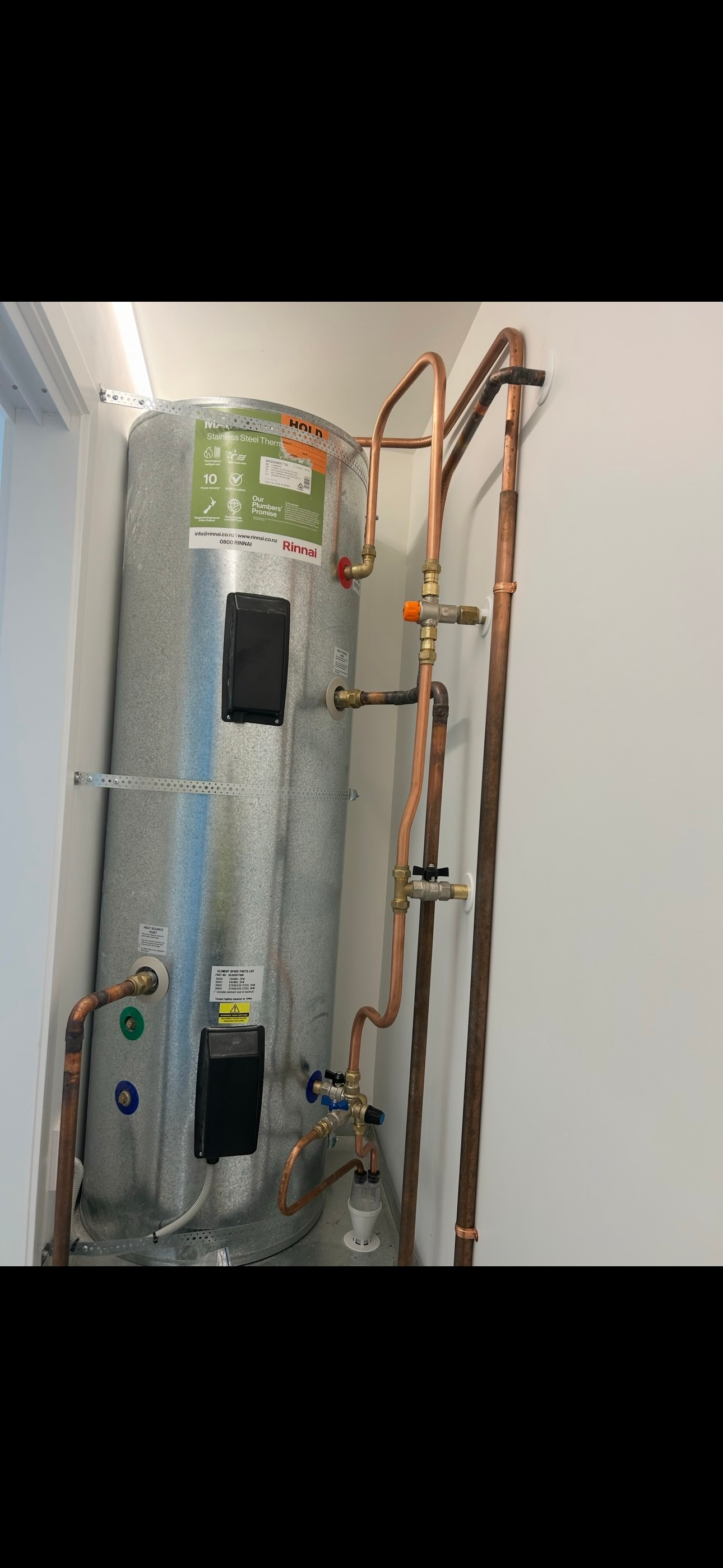
A sudden and total loss of hot water can qualify as an urgent callout, particularly with young children or elderly occupants in the home. A failed cylinder or faulty pressure relief valve may need same-day attention, especially in cooler months.
Flooding That Risks Structural Damage
Any water ingress reaching wall cavities, subfloor areas, or electrical components needs to be stopped quickly. Pukekohe's moisture-retentive soils mean water pooling under older homes can accelerate structural decay.
What Should You Do While Waiting for an Emergency Plumber?
Acting quickly before the plumber arrives can limit damage significantly.
- Turn off your mains water supply. The toby valve is typically located near the property boundary, under a small ground-level cover. Locating it before an emergency happens is strongly recommended.
- Turn off power to any affected areas. If water is near electrical outlets, isolating that circuit at the switchboard reduces the risk of electric shock.
- Photograph the damage. Photos taken immediately support any insurance claim you may need to lodge.
- Do not attempt DIY repairs. Temporary fixes on pressurised pipes can worsen the situation or create safety hazards. Wait for a licensed professional.
If there is a gas leak, none of the above applies. Leave the property and call 111 first.
After-Hours Callouts and What to Expect
Emergency plumbing work outside standard business hours typically attracts a higher rate than daytime jobs. This is standard practice across New Zealand. Contact your emergency plumber directly for a quote before work begins so you understand what you will be charged.
Home insurance policies in New Zealand typically cover sudden and accidental plumbing events such as burst pipes, provided the damage is not the result of neglect or gradual wear and tear. Gradual damage is one of the most common exclusions. Always review your own policy and confirm with your insurer what is and is not covered.
The PGDB Licensing Requirement in New Zealand
All plumbing, gasfitting, and drainlaying work in New Zealand is restricted by law to licensed practitioners. You can verify any plumber's registration on the PGDB website before work begins. When you call for emergency help, it is reasonable to ask the plumber to confirm their registration and provide a written estimate before starting.
What Counts as Non-Urgent?
A dripping tap, slow-draining sink, running toilet cistern, or a minor leak that can be contained overnight are generally non-urgent. Booking during regular hours for these issues avoids the after-hours premium.
How Can I Reduce the Risk of a Plumbing Emergency?
Flexible braided hoses under sinks and to washing machines are among the most common causes of internal flooding in New Zealand homes and are worth replacing regularly. A plumbing inspection every two to three years can catch issues before they become emergencies. Knowing where your toby is before anything goes wrong is one of the simplest and most effective steps any Pukekohe homeowner can take.
Ready to Call? Limbo Plumbing Is Available 24/7
When a plumbing emergency strikes in Pukekohe or the surrounding Franklin and North Waikato region, Limbo Plumbing is available around the clock, every day of the year. Whether it is a burst pipe in the early hours, a backed-up drain, or an urgent hot water failure, the team can respond fast with the right tools and qualifications to get things sorted.
Call 0274 244 384 any time, day or night, for urgent plumbing help. For non-emergency enquiries or to request a free quote, visit the contact page. For more information on emergency services, see the emergency plumbing page.
Find Limbo Plumbing on Google Maps to read reviews and get directions.